
Ever wondered how a tiny organism evolved into the majestic creatures we see today? Welcome to the intriguing realm of evolution life science museums. These institutions are not just about dusty dinosaur bones or preserved specimens: they’re portals into the past. They make learning fun and engaging, allowing visitors to realize just how wild, and sometimes quirky, the journey of life has been. So strap in and get ready for a humorous yet informative journey into the evolution of these incredible museums.
Understanding Evolution Through the Lens of Museums
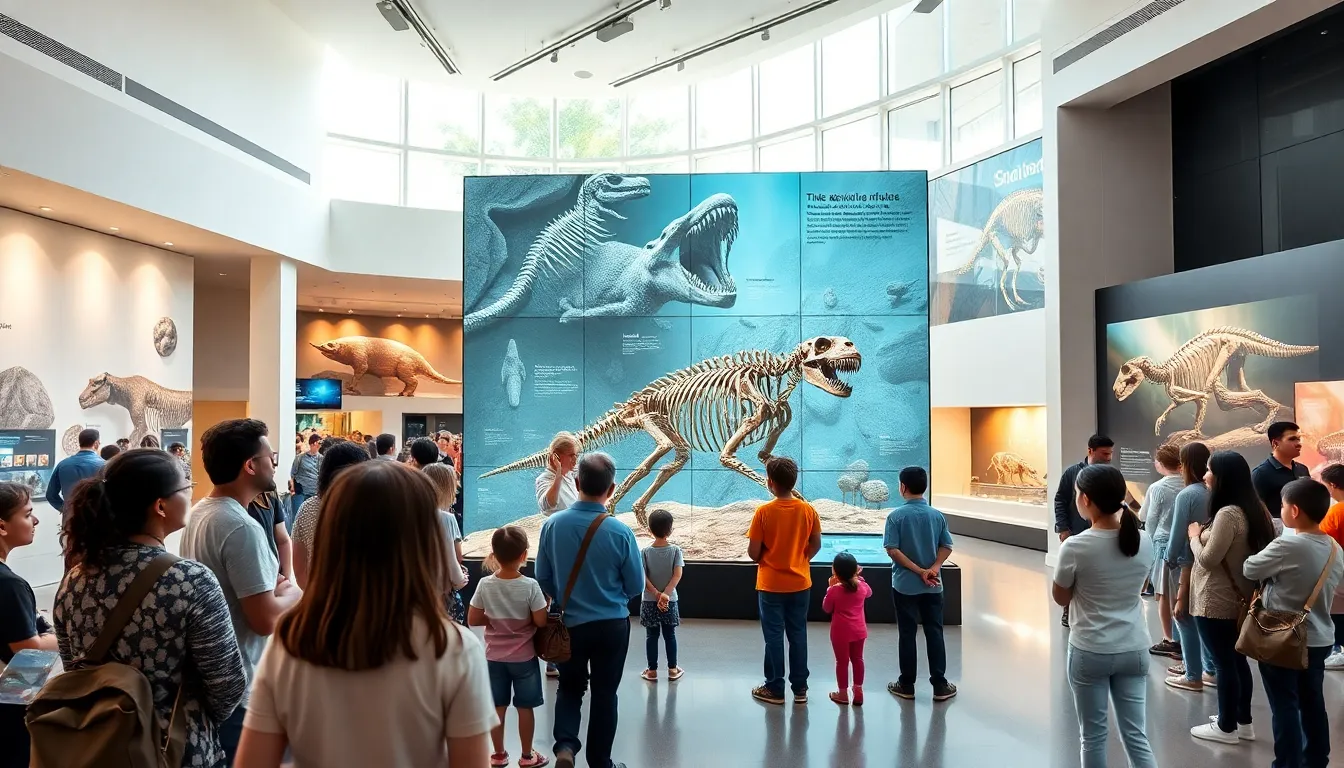
Evolution life science museums serve as a vital bridge connecting the past with the present. They specialize in narrating the epic tale of how life on Earth has transformed over millions of years. Through meticulously curated exhibits, visitors can investigate into scientific data while exploring tangible artifacts. Imagine walking through a display showcasing the grand transition from single-celled organisms to complex mammals. This storytelling approach offers more than just insight: it invokes curiosity and wonder about the intricate web of life. For many individuals, these museums act as the first introduction to evolutionary biology, sparking interest and inspiring future scientists. The amateur naturalist or the budding biologist finds themselves captivated, often leaving with more questions than when they arrived.
The Role of Life Science Museums in Education
Life science museums play a pivotal role in educational endeavors. They provide hands-on learning opportunities that textbooks simply cannot match. Picture a classroom filled with eager students whose eyes widen as they touch a replica of a Tyrannosaurus Rex claw. The initial awe gives way to an engaging conversation about predatory evolution over time. What better way to reinforce concepts than through a memorable experience? Museums collaborate with schools and community organizations to create tailored programs that boost comprehension of complex topics like natural selection or genetics. By hosting workshops and guided tours, they enhance the educational landscape, transforming learning from passive to active engagement.
Highlighting Notable Evolution Life Science Museums
Innovative Exhibits and Interactive Experiences
When it comes to creativity, several evolution life science museums stand out. The American Museum of Natural History in New York merges traditional displays with augmented reality, allowing visitors to witness evolution in action. Meanwhile, the Natural History Museum in London incorporates interactive touchscreens that serve as gateways to deep dives into evolutionary milestones. These innovations showcase how museums are redefining visitor engagement.
Collaborations with Scientists and Researchers
Partnerships between museums and scientists enhance the credibility and dynamism of the exhibits. Institutions like the Field Museum in Chicago often collaborate with paleontologists and biologists, ensuring that the information presented is accurate and cutting-edge. These collaborations don’t just improve exhibits: they also foster a community where science and public education work hand in hand.
The Future of Life Science Museums
Challenges and Opportunities in the Evolution of Museums
As the world evolves, so must museums. Challenges like budget constraints and competition from online resources test the resilience of these institutions. But, a significant opportunity arises in the form of digital expansion. By integrating online experiences, museums can increase their reach and appeal to a broader audience. Virtual tours and online exhibits are paving the way for accessibility, attracting visitors who might otherwise never set foot in a museum.
The Impact of Technology on Visitor Engagement
Technology is a game-changer when it comes to enhancing visitor engagement. Museums are tapping into interactive technologies, gamifying experiences to maintain interest and encourage participation. From virtual reality experiences that take you back in time to mobile apps that enhance your visit, technology is revolutionizing how audiences relate to evolution. This intersection of science and entertainment transforms mundane visits into immersive experiences that resonate long after the last exhibit.